 Ubud · Premium Bali Coffee
Best Bali Coffee: Premium Single-Origin Exports
Discover the finest Bali coffee, sourced from the rich volcanic soils of Ubud and beyond. Our beans are handpicked and processed to perfection, ready for global roasters and importers.
What coffee are you sourcing?
Tell us your needs and we'll guide you to the right coffee lot and next steps.
As a discerning coffee buyer, you understand that sourcing from the right origin is crucial. Bali offers a unique proposition with its diverse coffee varieties. At Best Bali Coffee Exporters, we specialize in providing the finest Arabica and Robusta green coffee beans from Bali’s renowned coffee-producing regions. Our commitment to quality and traceability ensures that you receive only the best Bali coffee for your business needs.
The Unique Appeal of Bali Arabica Coffee
Bali Arabica coffee is primarily grown in the Kintamani highlands, a region known for its volcanic soils and high elevations ranging from 1,000 to 1,600 meters. This area is distinctive for intercropping coffee with citrus trees, which imparts a bright, citrusy flavor to the beans. The wet-processing method employed here enhances the coffee’s clean, vibrant acidity, which sets it apart from the traditional Indonesian wet-hulled coffees. Specialty descriptions of Kintamani Arabica highlight a medium body, bright acidity, and citrus or floral notes, making it suitable for light to medium roast profiles. Buyers often seek traceable, single-origin lots from Kintamani to differentiate their offerings from generic blends. For more detailed information on our Arabica offerings, visit our Bali Arabica Coffee Beans page.
Robusta Coffee from Bali’s Western Districts
Robusta coffee in Bali is predominantly grown in the lower western districts such as Pupuan and Tabanan. These areas are known for producing robusta beans that cater to local consumption, characterized by their strong, heavy cup profile and higher caffeine content. While robusta is often associated with lower-end markets, Bali’s robusta has gained attention for its unique characteristics when properly processed and roasted. Basic supermarket Bali coffee, often robusta blends, typically costs around 25,000–45,000 IDR for a 250 g bag. For those interested in exploring robusta’s potential, our dedicated Bali Robusta Coffee Beans page provides further insights.
Export Compliance and Logistics
Exporting coffee from Bali involves adhering to Indonesian regulations on agricultural commodities. This includes obtaining export licenses (SIUP or NIB) and registration with Indonesia’s Online Single Submission (OSS) system. Additionally, exports require phytosanitary certificates and other necessary export documentation. International buyers typically import Bali coffee as green coffee beans through established importers and brokers. The logistics pattern for exporting Bali coffee usually involves containerized sea freight from Indonesian ports such as Surabaya or Benoa. For more information on our export process and compliance, please visit our About Us page.
Sourcing from Reputable Local Roasters
Bali is home to several reputable specialty roasters who offer locally grown and processed coffee. Notable names include Seniman Coffee in Ubud and Expat. Roasters, both of which serve and sell Bali origin beans, including Bali Kintamani espresso and single-origin offerings. These roasters have been positively reviewed by international coffee reviewers, who appreciate the distinct profiles of Bali Kintamani and Java/Bali blends. For businesses looking to source roasted coffee, these local roasters provide a valuable resource for quality and authenticity. To connect with these roasters, feel free to reach out via our Contact page.
Understanding the Market for Bali Coffee
Within Indonesia, Bali coffee competes with larger origins such as Sumatra, Java, Sulawesi, and Flores. However, it is gaining recognition for its distinct Kintamani profile. The specialty coffee market appreciates Bali’s unique offerings, particularly the bright, citrusy notes of Kintamani Arabica. Typical cup scores for well-processed Bali Kintamani Arabica fall in the mid-80s on the SCA scale, placing them in the specialty grade. This makes Bali coffee an attractive option for buyers looking to diversify their product lines with unique, high-quality offerings.
Seasonality and Harvest Patterns
The harvest season for Bali coffee generally aligns with Indonesia’s pattern, with the main harvest occurring in the dry season, roughly mid-year. Pickings are concentrated during this period, with exportable lots prepared after post-harvest processing and drying. Understanding the seasonality is crucial for buyers planning their procurement schedules. By aligning with the harvest calendar, businesses can ensure a steady supply of fresh, high-quality coffee. For specific inquiries regarding our harvest and availability, please visit our Contact page.
Ethical Considerations in Coffee Sourcing
Ethical sourcing is a significant consideration for many buyers, particularly concerning civet coffee. While tourist-oriented Luwak coffee experiences are common in Bali, ethical concerns around caged civets and animal-processed coffees have led many specialty buyers to avoid Luwak coffee despite its high tourist price. At Best Bali Coffee Exporters, we prioritize ethical sourcing practices and offer traceable, single-origin lots that align with our buyers’ values. For more information on our ethical sourcing practices, please reach out through our Contact page.
Sustainable Farming Practices in Bali
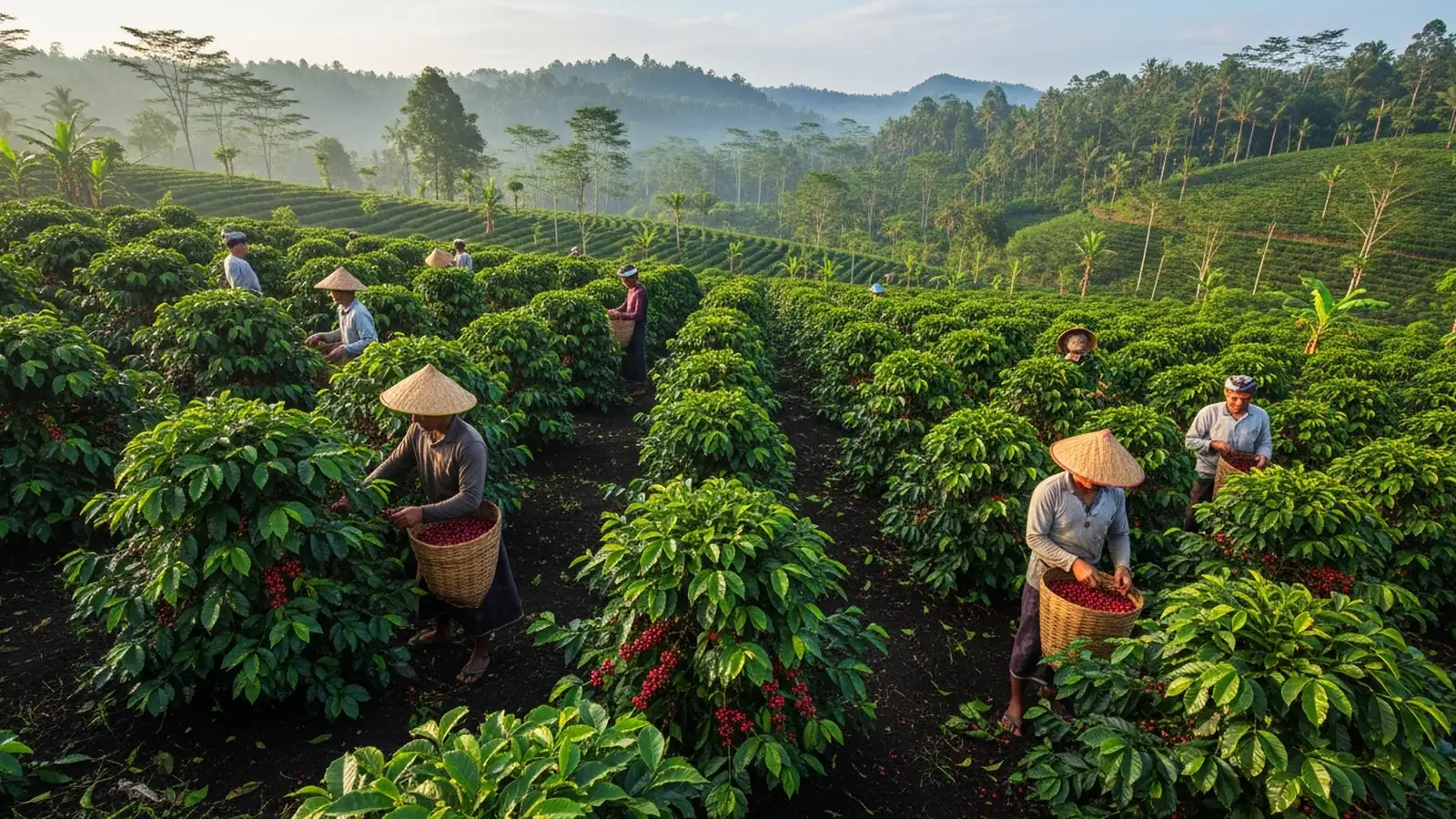
Sustainability is at the heart of coffee farming in Bali. Many Balinese coffee farmers incorporate traditional agricultural practices that align with sustainable farming principles. These practices include the use of natural fertilizers, such as compost and organic matter, to enrich the volcanic soils of regions like Kintamani. Additionally, the method of intercropping coffee with other plants, like citrus trees, not only enhances the flavor profile of the coffee but also promotes biodiversity and reduces the reliance on chemical pesticides. This approach helps maintain the ecological balance and ensures long-term productivity of the coffee farms. Moreover, sustainable farming practices contribute to the social and economic well-being of local communities by providing stable employment and fostering a sense of stewardship over the land.
Exploring Bali’s Coffee Tourism
Bali’s coffee culture extends beyond the cup, offering a rich experience for visitors interested in understanding the journey from bean to brew. Coffee tourism in Bali is a growing sector, with many plantations opening their doors to tourists. Visitors can participate in guided tours to learn about the coffee cultivation process, from planting and harvesting to processing and roasting. These tours often include coffee tasting sessions where tourists can sample different varieties and learn about the distinct flavor profiles of Bali’s Arabica and Robusta coffees. Coffee tourism not only provides an additional income stream for local farmers but also educates consumers about the intricacies of coffee production, fostering a deeper appreciation for the beverage.
Innovations in Coffee Processing Techniques
The coffee industry in Bali is evolving with innovative processing techniques that enhance the quality and flavor of the beans. Beyond traditional wet processing, some producers are experimenting with methods such as honey processing and natural drying. Honey processing involves leaving some of the mucilage on the beans during drying, which can result in a sweeter, more complex flavor. Natural drying, where coffee cherries are dried whole, can impart fruity and wine-like characteristics to the beans. These innovations cater to the growing demand for unique and diverse coffee experiences, attracting specialty buyers who are keen to offer distinct products in their markets. By embracing these techniques, Bali’s coffee producers are setting themselves apart and contributing to the global coffee landscape.
Ready to explore the best Bali coffee for your business? Our team at Best Bali Coffee Exporters is here to assist you in sourcing the finest Arabica and Robusta beans from Bali’s renowned regions. Contact us today to learn more about our offerings and how we can meet your specific needs. Visit our Contact page to start your enquiry.